
What causes sickle cell disease?
A gene [[mutation]] that produces abnormal [[hemoglobin]], which can lead to a
lifelong genetic disease marked by unpredictable, progressive symptoms.
lifelong genetic disease marked by unpredictable, progressive symptoms.
For a deeper understanding, let’s take a look inside the body.
For a deeper understanding, let’s take a look inside the body.
Understanding how a normal red blood cell works and what causes it to sickle can help when making decisions with your doctor on how to treat it.
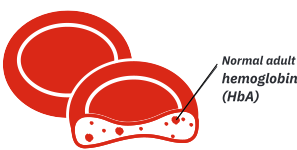
Normal red blood cell
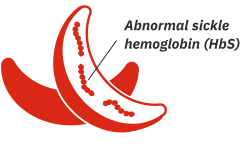
Sickled red blood cell
- When a [[gene]] called the HBB gene changes inside your body, it can cause [[red blood cells]] to make an abnormal form of hemoglobin called [[sickle hemoglobin]] (HbS) instead of normal adult hemoglobin (HbA)
- Repeated blockages and damage to the blood vessels over time can prevent your organs and tissues from getting the oxygen they need. This can cause [[vaso-occlusive events (VOEs)]]
Current disease-modifying therapies do not address the disease at the genetic level.

Common sickle cell disease
treatment options
(eg, disease modifying therapies (DMTs), oral and IV pain medication, and blood transfusions)
- These treatment options are designed to help manage sudden and severe symptoms
- These treatment options aim to decrease the frequency and severity of symptoms, and they usually require lifelong use

Allogeneic stem cell transplants
(also called bone marrow transplants or stem cell transplants)
- These are one-time treatments for people with sickle cell disease. They’re usually recommended for people under 16 with a sibling donor who is a match and is available
- Allogeneic stem cell transplants may also carry risks of donor-related complications such as graft-versus-host disease
